Sometimes you wake up with a craving for a certain food. I grew up on the coast of North Carolina and we ate seafood at almost every meal. Or, at least, it seemed that way. I remember going shrimping with my grandfather in Beaufort, North Carolina. I was amazed with all the fish and other creatures that came out at night in the sounds and marshes. Shrimping is done at night because the shrimp migrate to the shallower water and marshes to breed at night and to feed.
The nets would be dragged behind the boat for a few hours and then the contents dumped in a trough on the back of the boat. The creatures you did not want are picked out and return to the water. Strange fish, sea turtles, and out of season seafood would all be returned to the water after I thoroughly investigated them. I loved to watch them swim away into the dark water.
When I checked my email Saturday morning there was the weekly email from Locals Seafood (http://localsseafood.com/) so I knew I had to stop by when we were at the Raleigh Farmers Market so I could get some North Carolina shrimp for dinner.
Arthur’s Tangy ginger fried rice with shrimp

Prep work: peel the shrimp and cut a few pieces of fresh ginger.
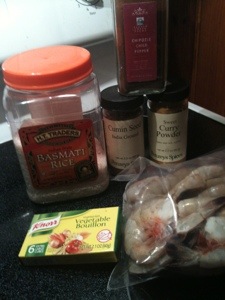
1. Cook two cups of rice according to directions. I added a vegetable bouillon cube for extra flavor.
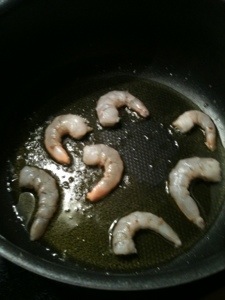
2. In a Dutch Oven on medium high heat add enough oil to coat the bottom of the pan. Once the oil is hot and shimmers then add the shrimp.

3. When the shrimp begins to change color add a teaspoon of cumin, turmeric, chipotle, and a few pieces of fresh ginger. Stir the spices around the pot to coat the shrimp. It takes about three minutes on each side of the shrimp. They cook fast!


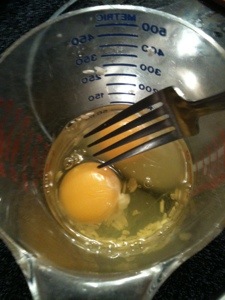
4. While the shrimp and spices are cooking, beat two eggs well. Once the shrimp are opaque add the eggs. Stir briskly to break the egg into pieces and mix well with shrimp and spices.

5. Once the egg has cooked add the rice and stir vigorously to mix well. Turn off the stove.

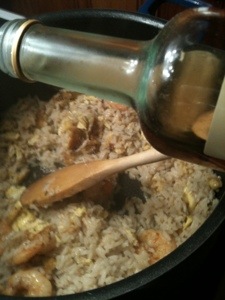
6. Add a quarter cup of white wine vinegar for a bit of a tangy flavor.

7. Stir until most of the liquid has been absorbed.

It makes about three or four servings and reheats well.












 Arthur in the Garden!