Winter has settled in …

Temperatures are regularly reaching the low 30s now but there still is plenty of color and life in the garden.

Some creature was hungry and was able to remove one of the side covers from the kitchen compost bin . I will have to shore it up with some bricks or rocks.

20131217-152305.jpg

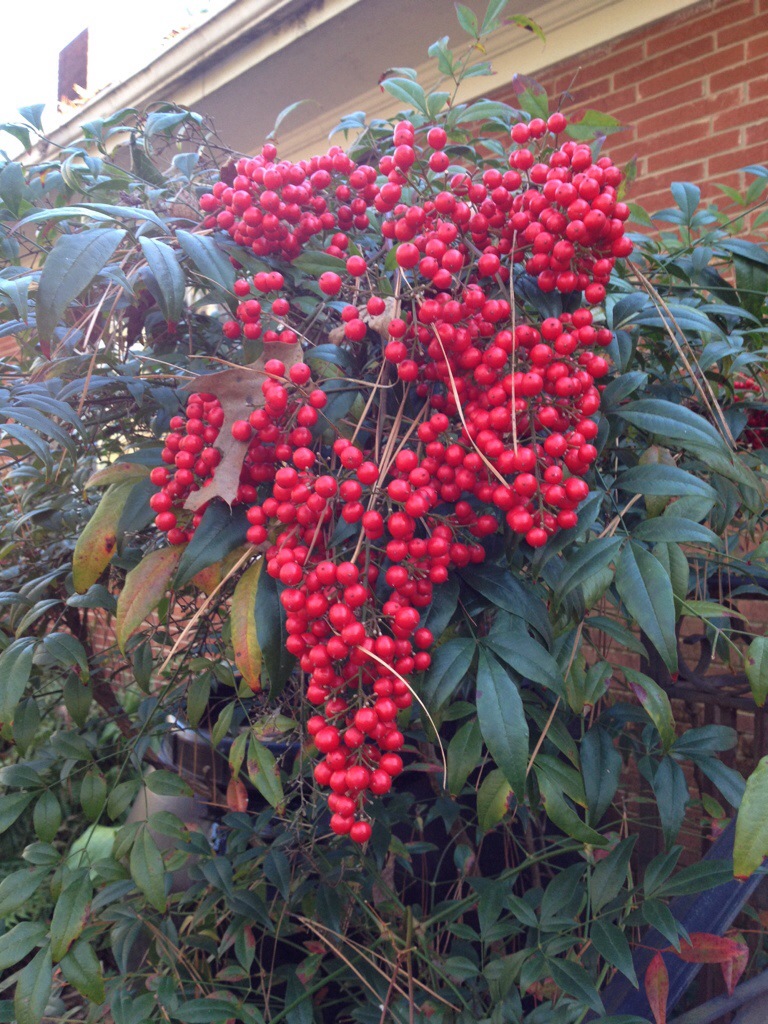
The nandinas, which line the fence and house, are loaded with berries.

20131217-152430.jpg

The Oakleaf hydrangeas are still holding on to a few red leaves.

20131217-152533.jpg

“Jacob” hellebore is loaded with buds.

20131217-152651.jpg

This clump of galanthus has been blooming for a month!

20131217-152743.jpg

Many plants which look dead still provide some structure and architectural detail to the Winter garden:

Basjoo banana

20131217-152931.jpg

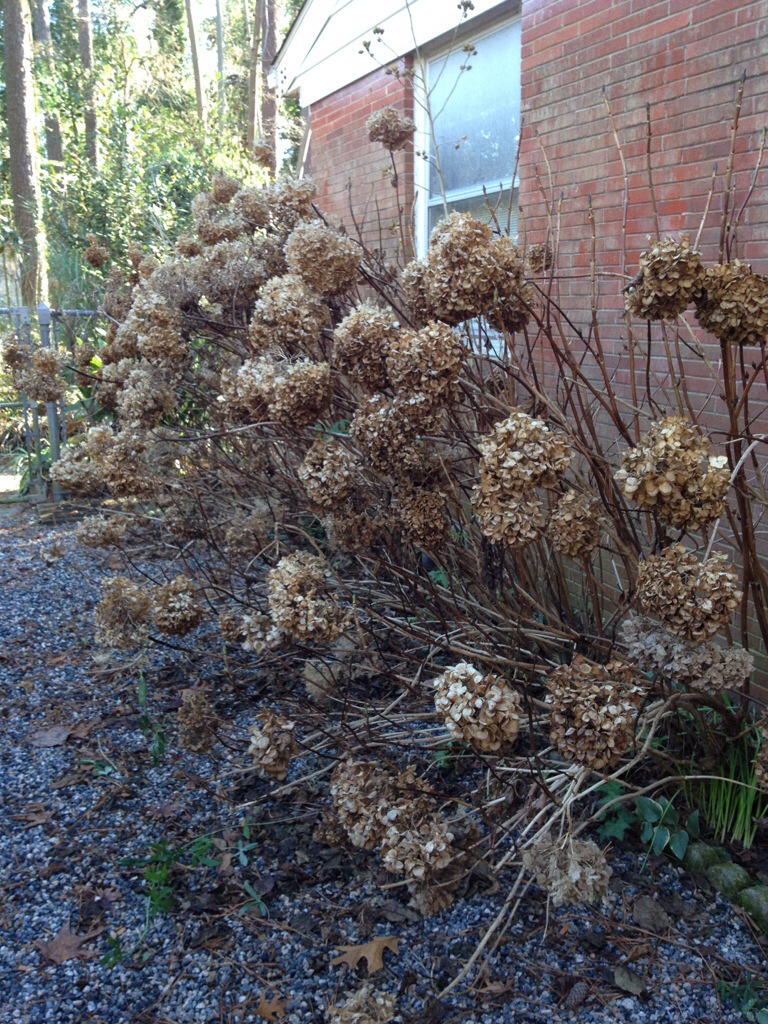
And hydrangeas

20131217-153008.jpg

Also, the Boylan Heights Neighborhood ArtWalk was last Sunday. Lots of people and some interesting art.

http://artwalk.boylanheights.org/

20131217-153412.jpg

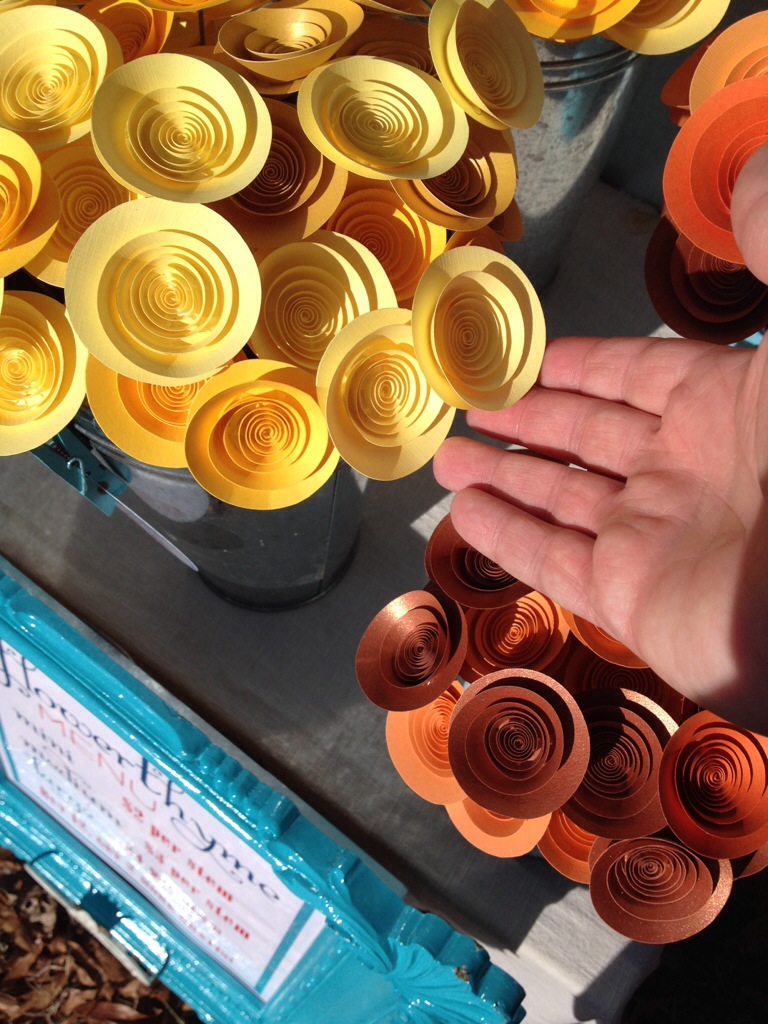
Paper Flowers from Flower Thyme   https://www.etsy.com/shop/flowerthyme

20131217-153200.jpg

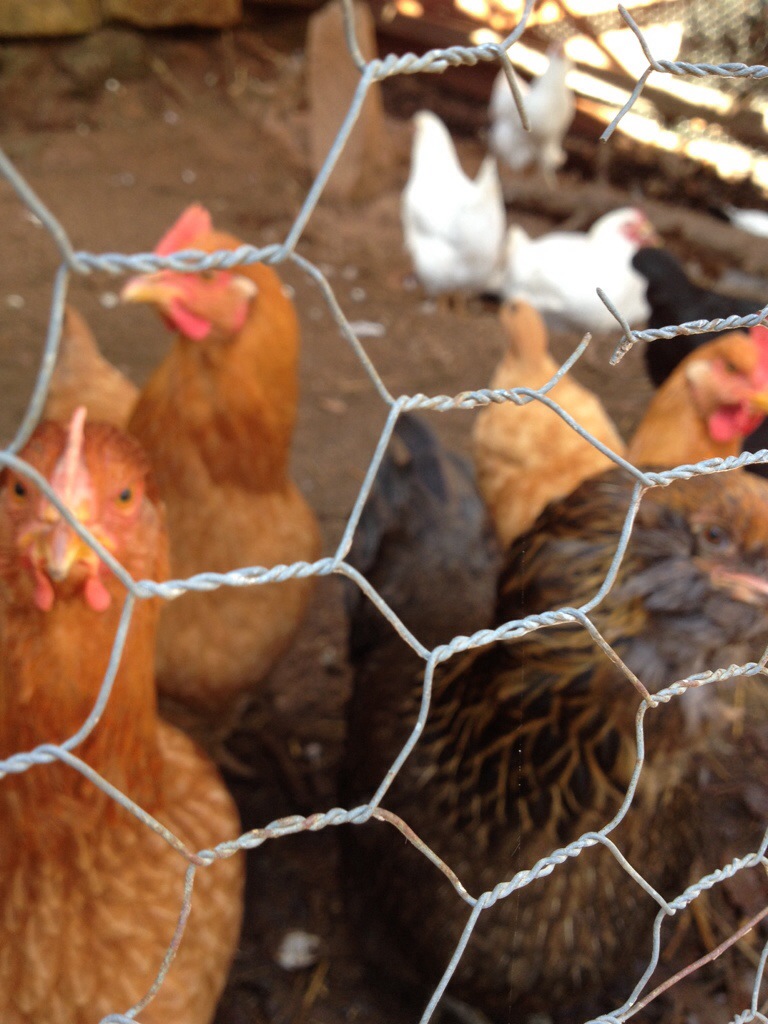
And the chickens in the community garden were busy checking out all the activity!

20131217-153506.jpg

XX

8 Comments

Filed under General Gardening

Penne rigate with homemade cheese bechamel sauce

Nothing is better than a fresh made bechamel sauce. It is called the mother sauce for good reason. It’s the beginning of so many good sauces.

I strongly believe one of the issues that is wrong with the American diet, besides eating too much, is not consuming a varied diet. In previous times people ate a changing diet based on fresh seasonal food. Today most of us eat the same thing almost on a daily basis. It’s unhealthy and doesn’t allow our body to rid itself of unhealthy elements, as well as a chance to absorb all the various nutrients it needs.

But I digress! Picture it. Sicily, a young hungry peasant girl buys a large bag of penne rigate…

Penne Rigate with homemade cheese bechamel and roasted Brussel sprouts in olive oil and lemon juice

2 3/4 cups dry pasta
4 tbsp butter
4 tbsp flour
2 cups milk
2 cups shredded cheese
1/2 teaspoon dry mustard
Salt and pepper

20131214-214214.jpg

1) boil the pasta in four cups of water until al dente – about 9 minutes

2) meanwhile, in a saucepan over low heat, melt the butter

3) add salt, pepper, dry mustard, and flour and cook for about 1 minute stirring constantly

20131214-214515.jpg

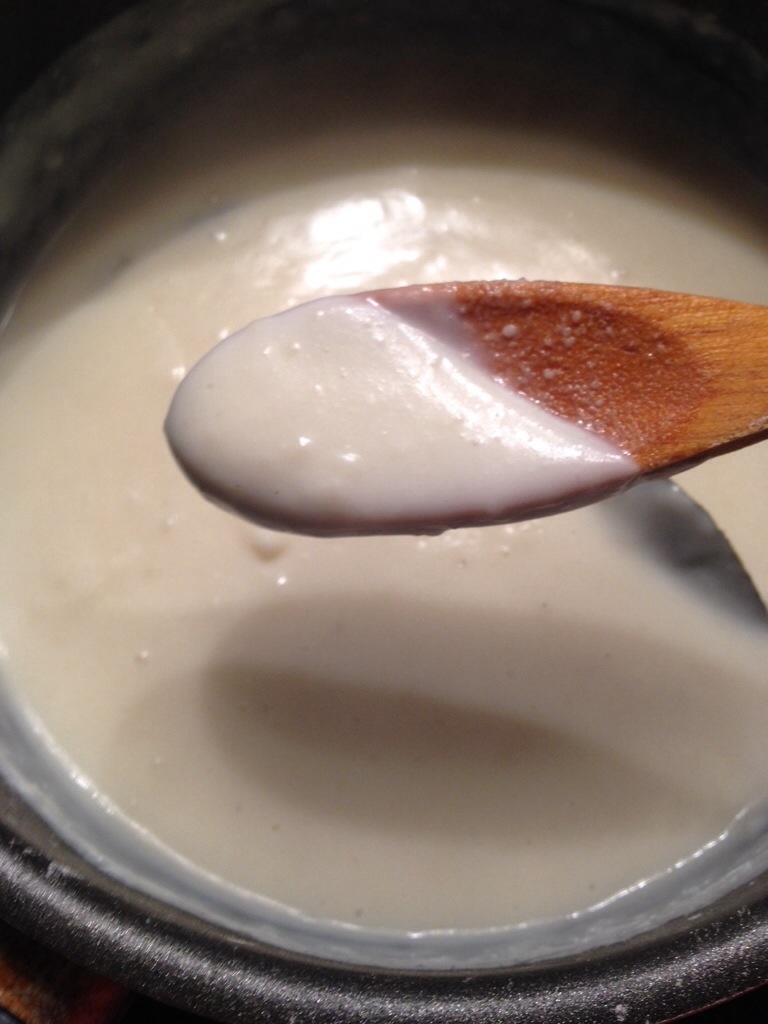
4) add the milk and stir constantly until thickened. After about four minutes the bechemel will thicken.

20131214-215033.jpg

5) add the shredded cheese and stir constantly until smooth.

20131214-215242.jpg

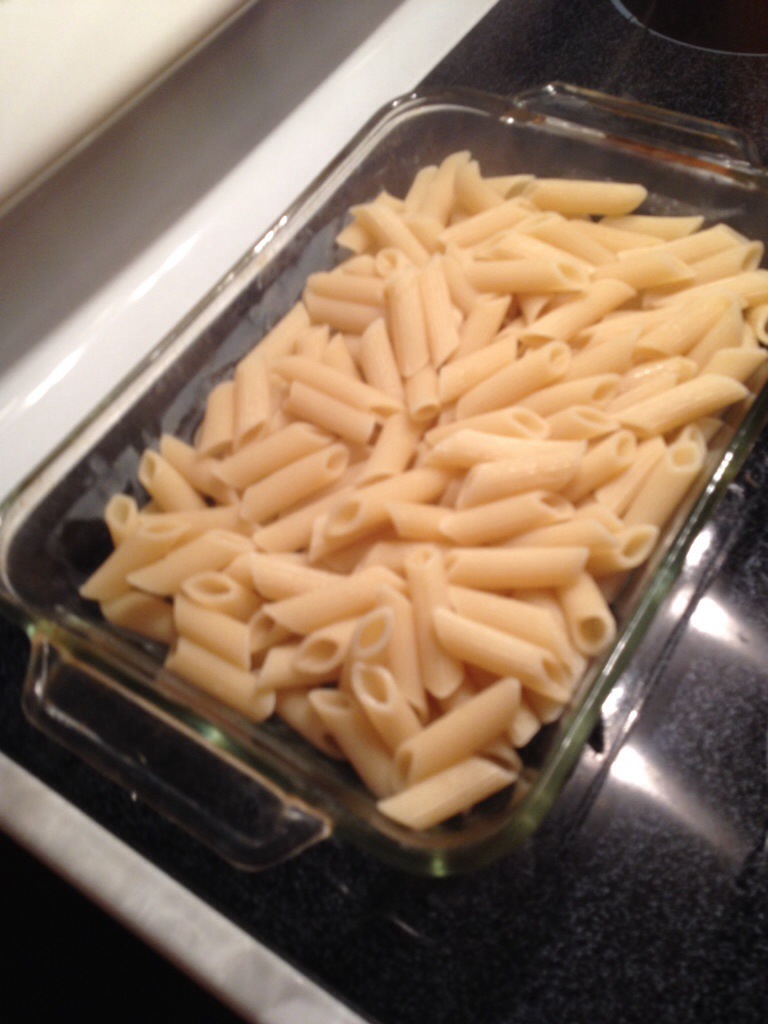
6) when the cheese has been incorporated, lightly butter a 2 quart casserole dish and pour in the drained pasta.

20131214-215822.jpg

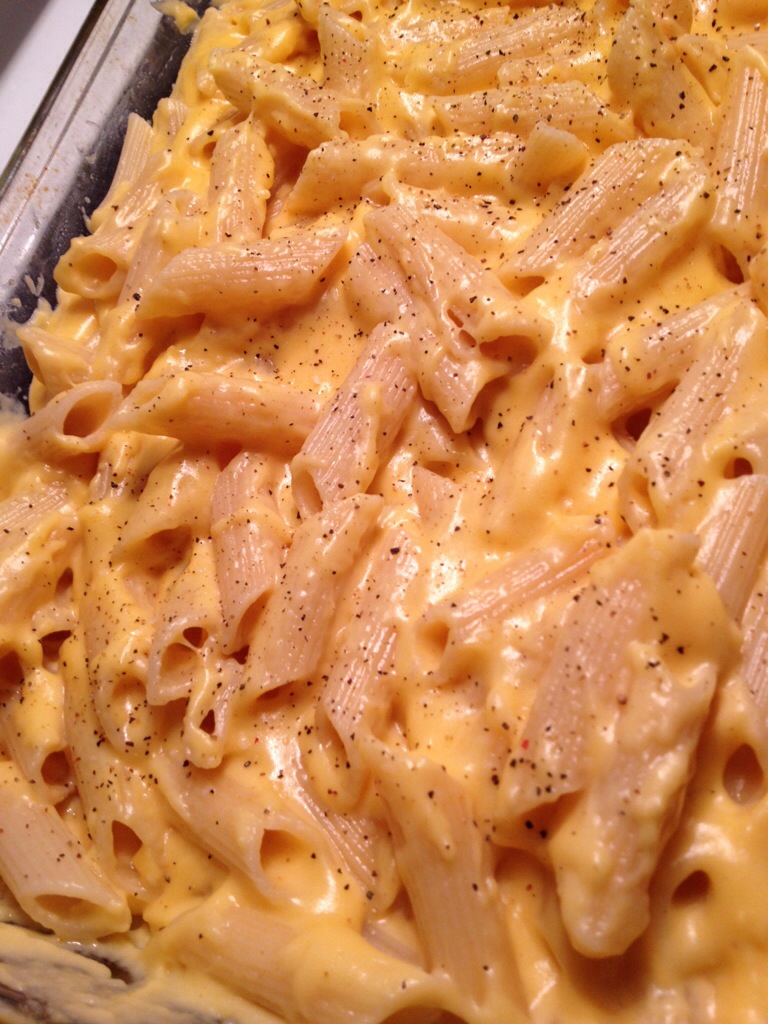
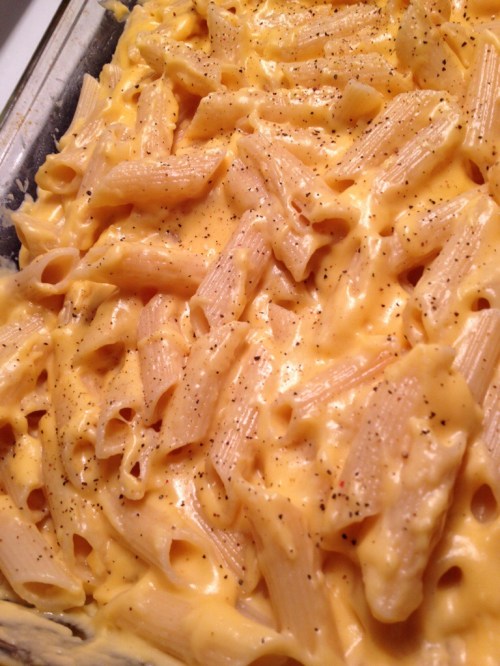
7) pour the cheese sauce over the pasta evenly and mix it in. I sprinkled fresh pepper on top.
20131214-220023.jpg

8) bake at 350f for 25 minutes.

20131214-220521.jpg

Roasted Brussel sprouts with lemon and olive oil

1) remove stems from sprouts and cut in half
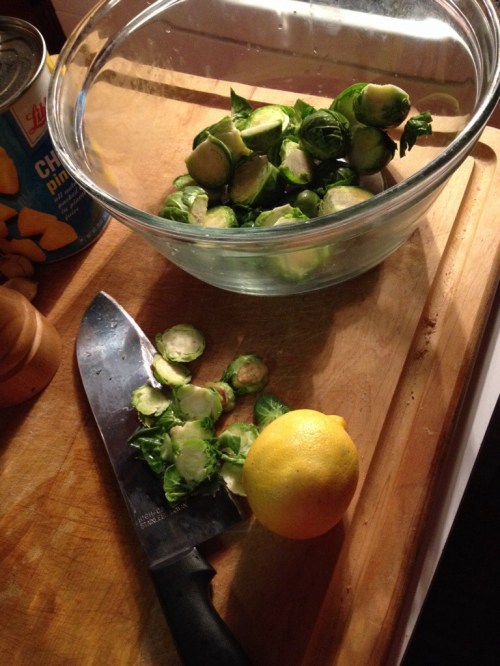
20131214-220653.jpg

2) place sprouts in a bowl and coat with the juice of one lemon and about a quarter cup of olive oil.

3) spread the sprouts evenly on a pan and roast for about half an hour at 400f or until the edges become crispy.
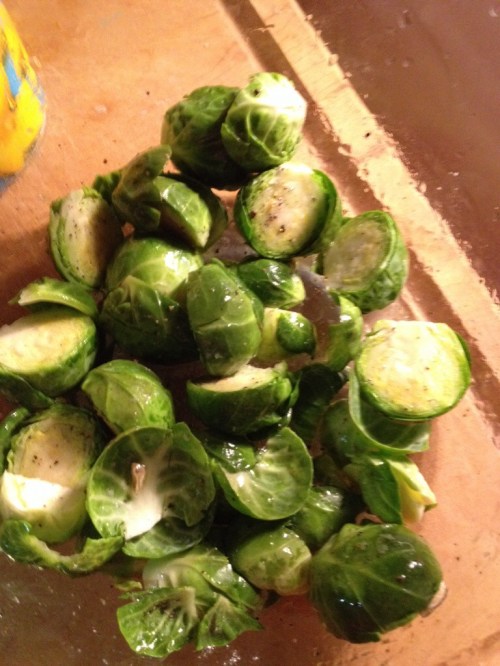
20131214-221004.jpg

Enjoy! I am posting this from my IPhone- please excuse the sloppy editing. I will have to clean it up later! 🙂
##

9 Comments

Filed under cooking, Food

Collecting ginkgo nuts.

The Ginkgo tree (Ginkgo biloba) has an unusual history. It is considered a living fossil as it has been found in fossils over 250 million years old. It was once thought to be extinct until a few small populations were discovered in China. The leaves are fan-shaped and deciduous. They become a bright gold color before falling in Autumn. A common nickname is Maidenhair Tree because the leaves resemble the Maidenhair Fern. The trees are dioecious with separate sexes so the trees are either male or female. There are a few cultivars with unusual shaped leaves. They grow up to 75 feet with large trunks.

Botanically the ginkgo is in its own group amoung seed producing (spermatophytesspermatophytes) plants because it has not been decided if it should be in the conifer (cone-bearing) group or in the angiosperm (flowering plant) group.

Near NC State University there are two very old  and large ginkgo trees in an old apartment complex. One is a large female which produces tons of fruit. The nut in the fruits are highly valued in Asia. They are usually roasted and the traditional way to roast the nut in China is to let the fruit rot then roast the nut.

I also wanted to collect the fruit to plant them along the back fence line and allow a forest of ginkgo trees to developed. They only grow a few inches a year so it would be decades before I see anything. The fruit has a strong musky fragrance and usually only male trees are planted for the beautiful Fall yellow leaves. There are weeping forms and forms with unusual shaped leave. It can take 20 years to fruit from seed so maybe in my old age I will see a fruiting tree in my yard?

Below is the fruit I collected from the Snow Street trees. They were covering the ground but you could not smell anything fragrance unless you held them up to you nose. Culturally, females trees are usually not planted because the flesh of the fruit is supose to be unpleasant and messy.

20131209-124700.jpg

Inside the musky and pungent flesh is a white nut which looks like a pistachio.

20131209-124815.jpg

The flesh is green just like a pistachio. The flavor is somewhat nut like and reminds me of a pine nut. The fruit and the nut contains chemicals (urushiol) which may cause those sensitive to break out or have some skin irritation. It’s a good idea to wash your hands after handling them and to not touch your eyes or other mucus membranes before washing your hands to prevent irritation.

20131209-124912.jpg

The nuts are mildly toxic and are usually roasted or boiled.

To boil: cover with water and boil for about 10 minutes with about a tablespoon of salt. Crack the thin shell by placing the flat side of a knife on the nut then hitting it with your palm like you do garlic.

To roast:  in a frying pan, add a tablespoon of vegetable oil, and then the nuts and a teaspoon of salt. Cook over medium-high heat until the shells split. Remove from heat and let cool enough to handle. Remove the shells and the paper-like outer skin.

There are selected clones available from nurseries developed for heavy nut production along with all the male clones with unusal upright, weeping, and horizontal growth patterns.

xxx

14 Comments

Filed under Plants