Tag Archives: Raleigh

Pollen invasion and the new growth of Spring arrives.

The temperatures have become steadily warmer and have really fueled growth in the garden. One negative side effect, as least for me, is the onslaught of pollen from the wind pollinated pines and oaks. I have had to deal with the allergies every Spring my entire life!

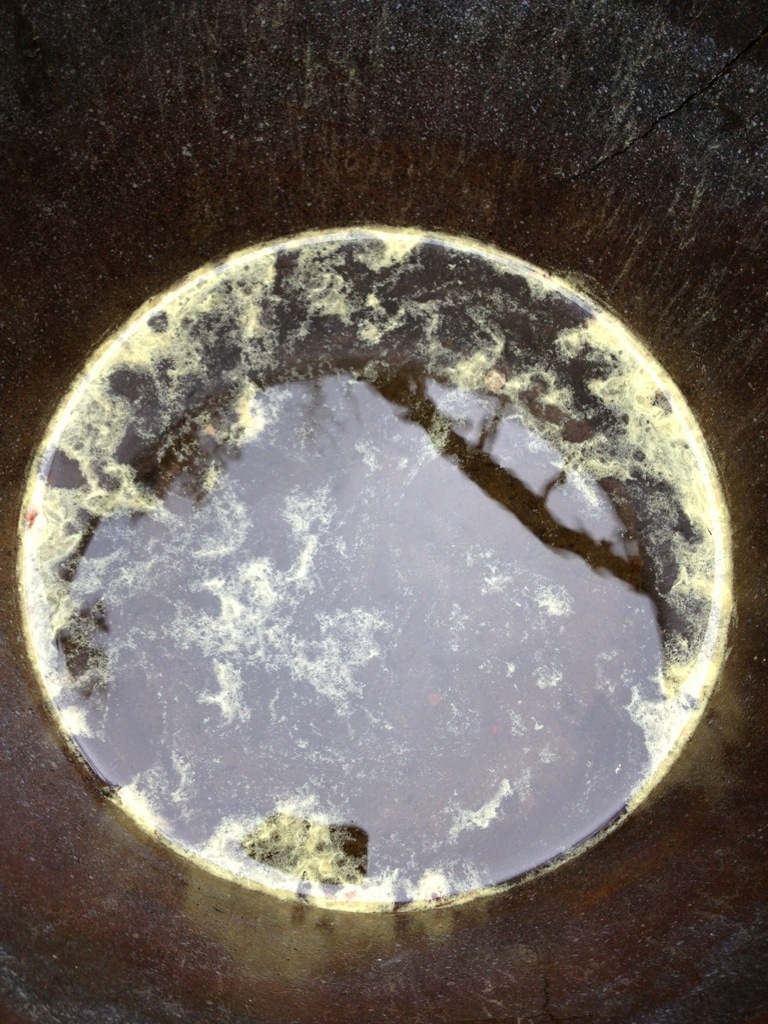
When it rains during this time I can breathe for a few hours as the rain cleans the air temporarily! You can see how it coats everything.

20130413-133357.jpg

Side walks are covered for a week or two and the rain washes it into the low areas.

20130413-133612.jpg

I would like to just stay inside and pray for rain during all of this but their is work to be done!

One of the first chores in the Spring is to search the lawn for seedlings from garden plants. The lawn grass usually doesn’t wake up from its Winter nap until later in Spring so you can easily spot seedlings such as Spiderwort.

20130413-133900.jpg

It’s also a good time to move shrubs that have out grown their spaces.

This Gardenia ‘First Love’ is now shaded by a nearby Asian Magnolia that has grown rapidly the past few The plant came apart into three plants! So now I have three!

20130413-134831.jpg

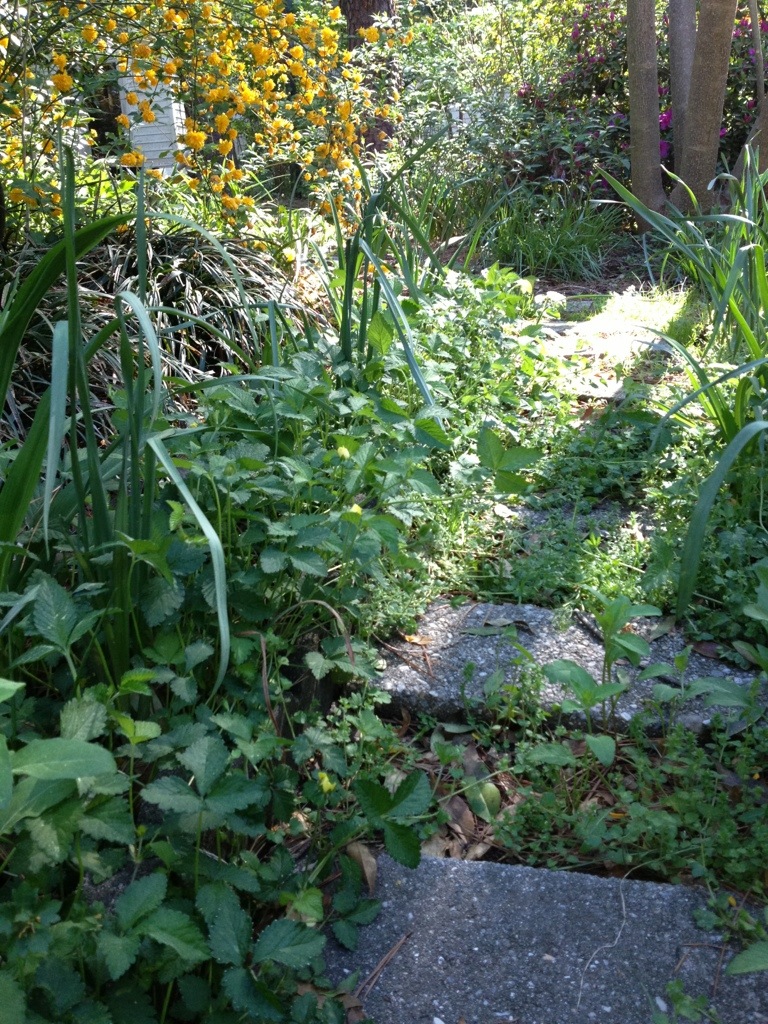
The path from the patio to the bird feeders is experience a rapid growth of wild strawberry and evening primrose! It should be amazing in May when the pink evening primrose is blooming!

20130413-135046.jpg

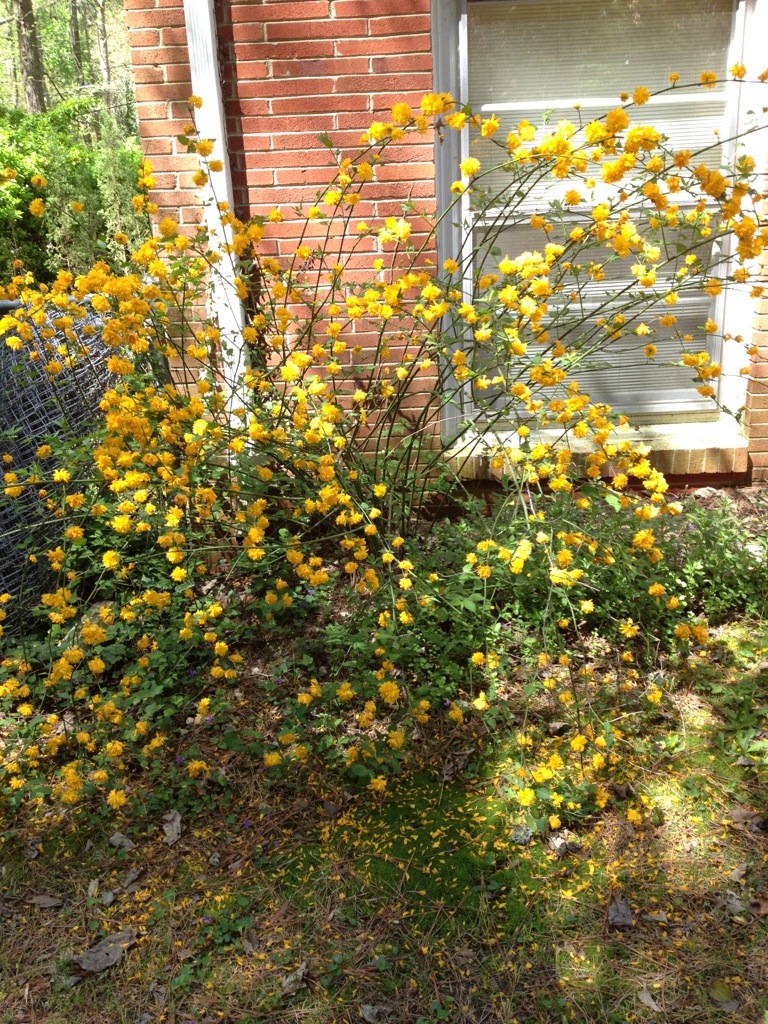
And the Kerria are in bloom.

20130413-135345.jpg

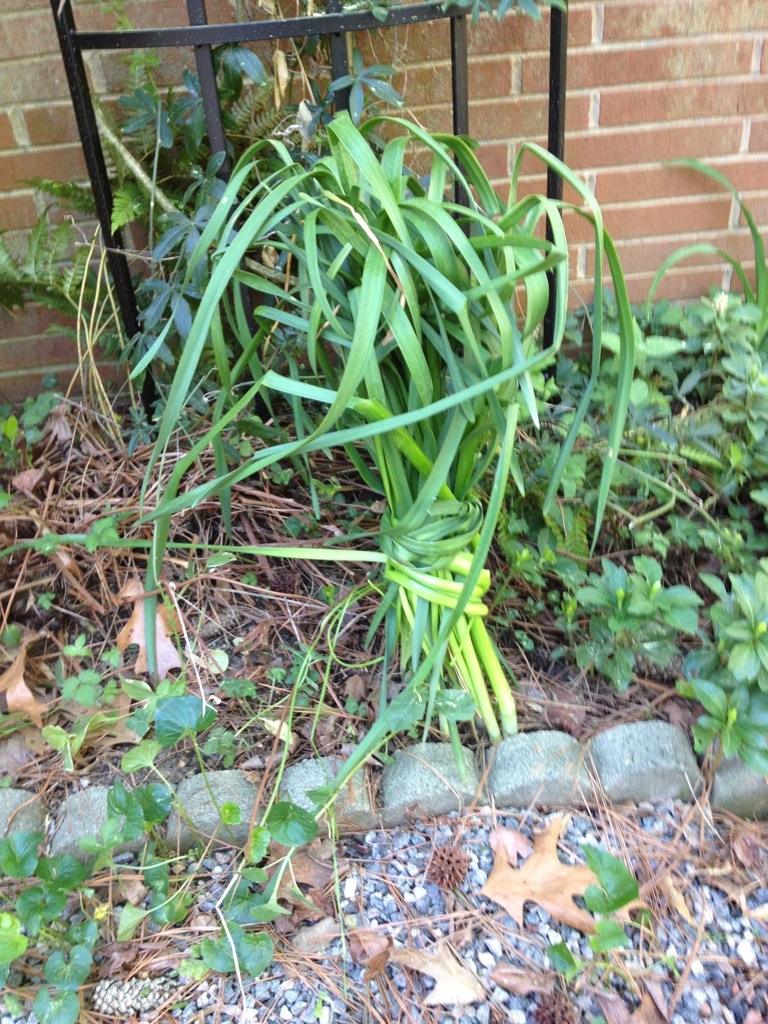
On the Coast, where I grew up, I remember older gardeners would tie up the foliage of Spring blooming bulbs to get it out of the way. This still allows it to nourish the bulbs for next year. I thought I would try it!

20130413-135621.jpg

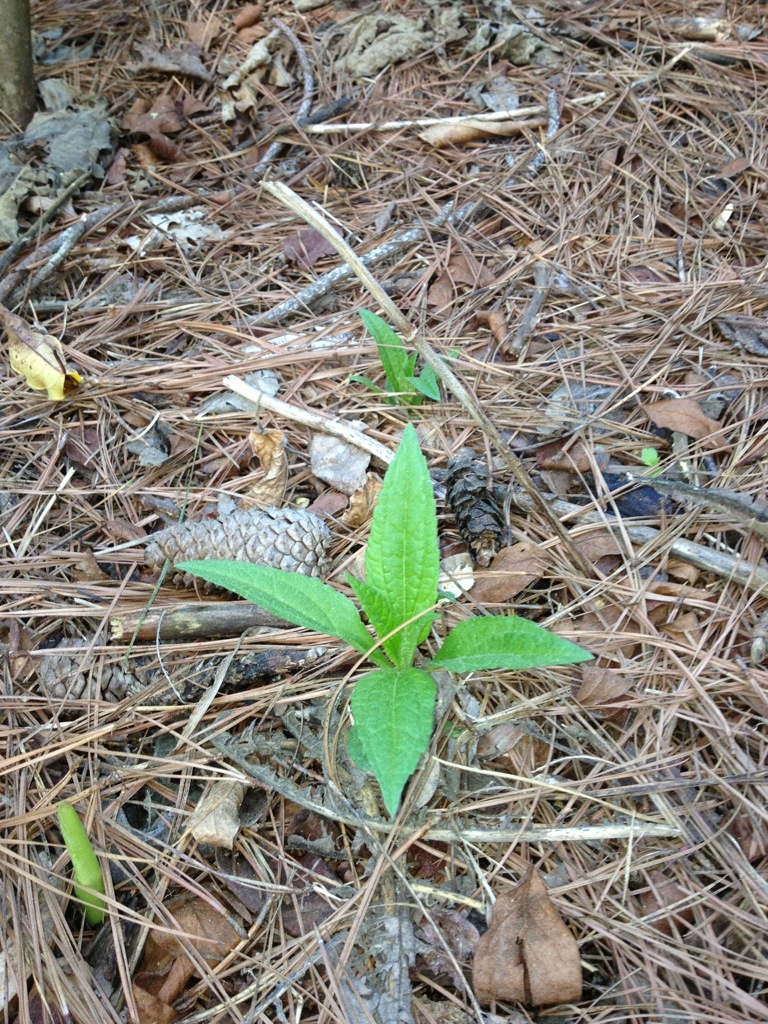
A good example of how plants spend their first year putting down good roots before top growth is this perennial sunflower. Last season it grew about knee high and produced only a few blooms. This Spring there are about five shoots coming up so far. It should reach five or six feet by Fall and be loaded with blooms!

20130413-135756.jpg

.

8 Comments

Filed under Design, Gardens, General Gardening, outdoors, Plants, Seasonal Maintenance, Weather, wildlife

Experimenting with leftovers, again.

Usually when I have a day off during the week I want to take advantage of the lunch specials at Downtown Raleigh restaurants. The prices are usually about half of the usual dinner cost and its sunny and warm today so I could walk around downtown, visit Father and Son or other downtown stores.

Of course, I began my day at Cup A Joe coffee shop and on my way back stopped by Logan’s Garden center.

I decide I have enough leftovers at home to pull something together and I rather save my money to go out to eat with friends.

I have half a loaf of French bread left over from the weekend. I had purchased it from La Farm Bakery at The NC Farmers market but by now it was becoming stale. I had always known you could us bread to thicken soups and stews so I decided to use as a base, otherwise, it would go in the compost bin or out for the birds to peck!

1) Heat oil in a Dutch oven and add a medium onion cut in small pieces. cook until they have soften. I also added one minced clove of garlic. Stir often and cook until the onion softened.

2) Add three potatoes cut in small cubes. A tablespoon of turmeric. Stir to coat vegetables and cook about 5 minutes.

3) Add about two cups of stock. I used two cups of water and a vegetable bullion cube because that was on hand. Turn heat up to high.

4) Once it began to boil I added a piece of fresh ginger, a tablespoon of curry powder, a teaspoon of paprika, salt and pepper.

5) After tasting, I decided it was missing some ZING! There are no chillis in the garden, yet. Hmmm. Sriracha? Tobasco? Ok. Four. Make that six shakes of Tobasco! Bring it back to a boil on medium high.

6) After boiling for about 15 minutes the potatoes were about done, I added the stale bread and enough water to cover. Put the lid on the Dutch oven and allow it boil until the bread falls apart. I added some leftover cherry tomatoes.

7) Once the bread has absorbed enough liquid and begins to fall apart you may need to add more liquid and stir vigorously so the bread comes apart and thickens the liquid.
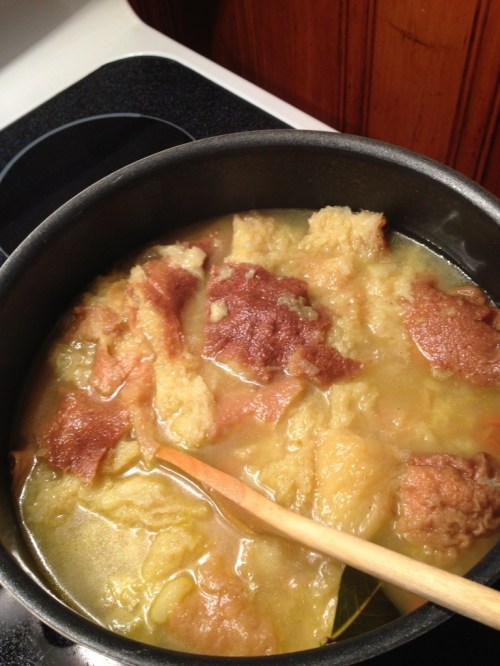
20130321-150100.jpg

It was warm and filling!

20130321-150024.jpg

Of course, Gus enjoyed the warm Spring day.

20130321-150712.jpg

He always hams it up!

3 Comments

Filed under cooking, Food

The three geographic regions of North Carolina and gardening.

North Carolina is divided geographically into three regions: the coastal plain, the piedmont plateau, and the mountains. The soil of these regions varies and requires different gardening techniques.

The coastal plain has a grey sandy soil called Portsmouth sand. It’s very porous and drains fast. It usually needs amendments rich in organic matter such as compost or peat moss to absorb and hold water and add nutrients.

The piedmont plateau is a red clay base with a thin layer of organic matter. Its called Cecil soil. The clay blocks water movement and storage and plant roots are shallow. The challenge in gardening here is to add enough organic matter or sand to improve drainage and to create a deep enough layer of permeable soil for good root developement.

The mountains have a rock base on the slopes while the valleys and pockets have a rocky organic mix. The challenge is not only finding a flat location to garden but also soil deep enough to allow roots to grow.

Below is a map of North Carolina’s regions. You can find information about your state’s soil through your local agricultural extension or agricultural college. Most states also have a department of agriculture, too.

http://ncpedia.org/sites/default/files/physical_regionsmphysical_regionsmapap.gif

3 Comments

Filed under General Gardening