Category Archives: Seasonal Maintenance

Pollen invasion and the new growth of Spring arrives.

The temperatures have become steadily warmer and have really fueled growth in the garden. One negative side effect, as least for me, is the onslaught of pollen from the wind pollinated pines and oaks. I have had to deal with the allergies every Spring my entire life!

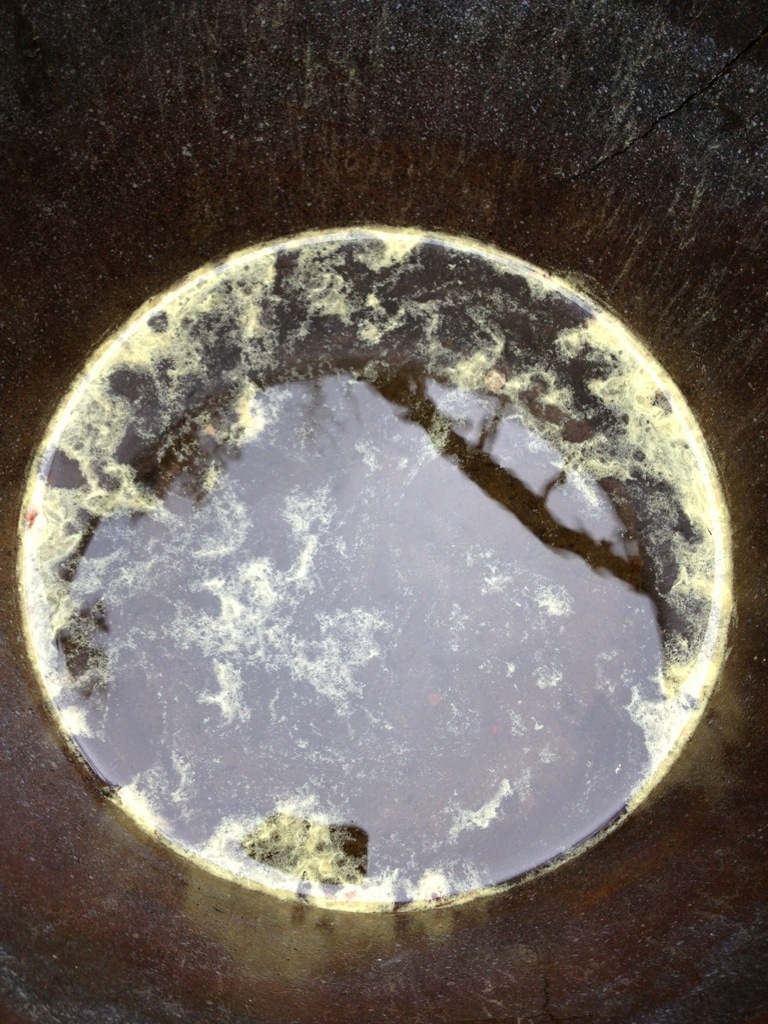
When it rains during this time I can breathe for a few hours as the rain cleans the air temporarily! You can see how it coats everything.
20130413-133357.jpg

Side walks are covered for a week or two and the rain washes it into the low areas.

20130413-133612.jpg

I would like to just stay inside and pray for rain during all of this but their is work to be done!

One of the first chores in the Spring is to search the lawn for seedlings from garden plants. The lawn grass usually doesn’t wake up from its Winter nap until later in Spring so you can easily spot seedlings such as Spiderwort.

20130413-133900.jpg

It’s also a good time to move shrubs that have out grown their spaces.

This Gardenia ‘First Love’ is now shaded by a nearby Asian Magnolia that has grown rapidly the past few The plant came apart into three plants! So now I have three!

20130413-134831.jpg

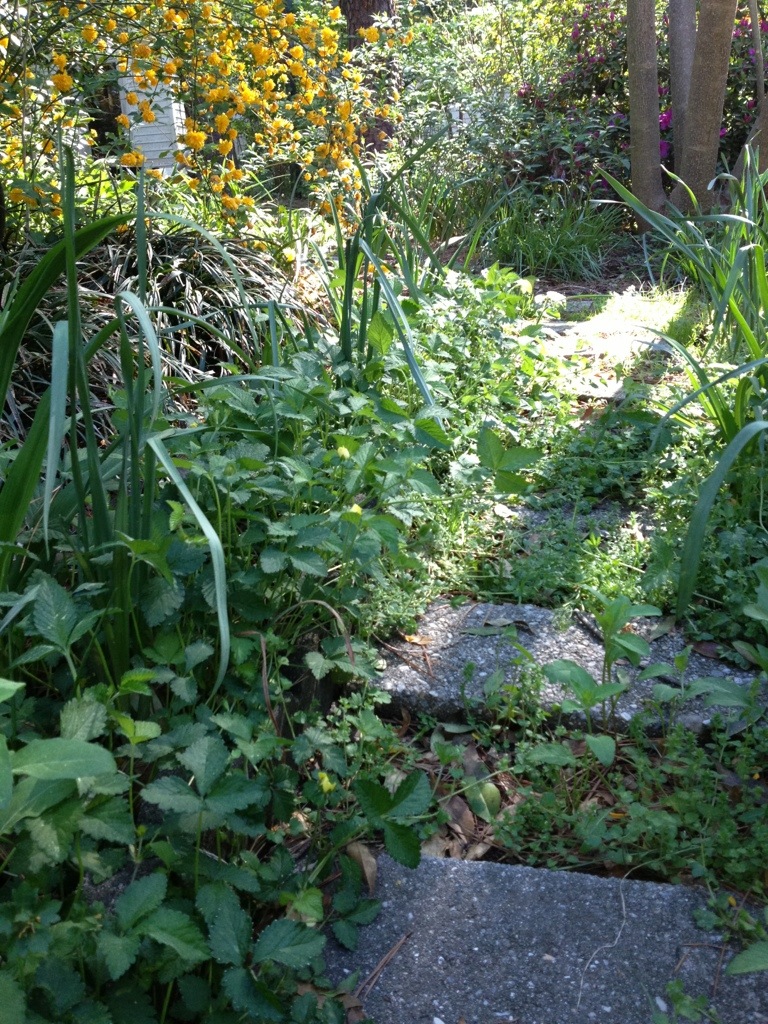
The path from the patio to the bird feeders is experience a rapid growth of wild strawberry and evening primrose! It should be amazing in May when the pink evening primrose is blooming!
20130413-135046.jpg

And the Kerria are in bloom.

20130413-135345.jpg

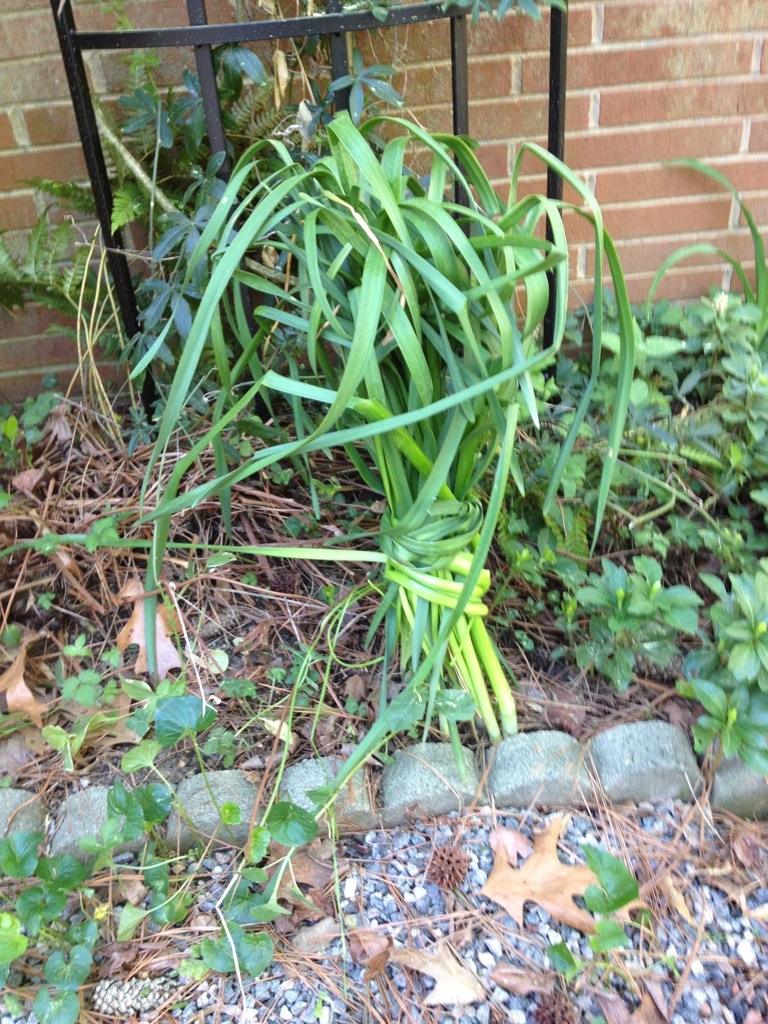
On the Coast, where I grew up, I remember older gardeners would tie up the foliage of Spring blooming bulbs to get it out of the way. This still allows it to nourish the bulbs for next year. I thought I would try it!
20130413-135621.jpg

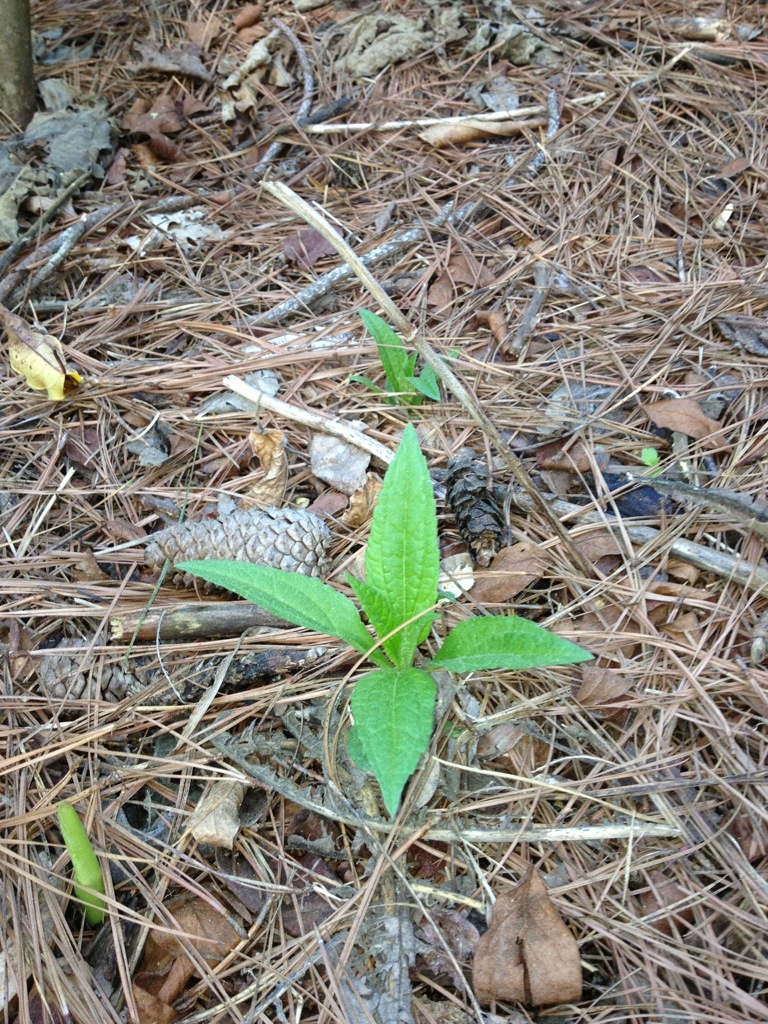
A good example of how plants spend their first year putting down good roots before top growth is this perennial sunflower. Last season it grew about knee high and produced only a few blooms. This Spring there are about five shoots coming up so far. It should reach five or six feet by Fall and be loaded with blooms!
20130413-135756.jpg

.

8 Comments

Filed under Design, Gardens, General Gardening, outdoors, Plants, Seasonal Maintenance, Weather, wildlife

The bay laurel gets a trim!

There comes a time every few years when the bay laurels (Laurus nobilis) need to be trimmed to prevent them from becoming trees. This usually happens to coincide with the need to restock the herb canisters with bay leaves for cooking.

The Mediterranean was once covered in wide-spread laurel forest but as the region became more dry the laurel forest are now only found in the mountains of Turkey.

The dry leaves are used to flavor many Mediterranean dishes during the cooking stage, although, the leaves are removed before eating as they remain sharp even after cooking and can cut the throat or mouth.

I often will drop a leaf in any soup or stew to add the deep flavor that I can only describe as a musky or woody flavor. A few in the cavity of chicken with lemons when you roast is a good use, too.

When they reach about 8 feet or so tall I will remove the tallest limbs down to about 18 inches. This keeps their height in check and also promotes branching.  I also take cuttings to root.

The cuttings are very slow to root and begin new growth. A year is not unusual.

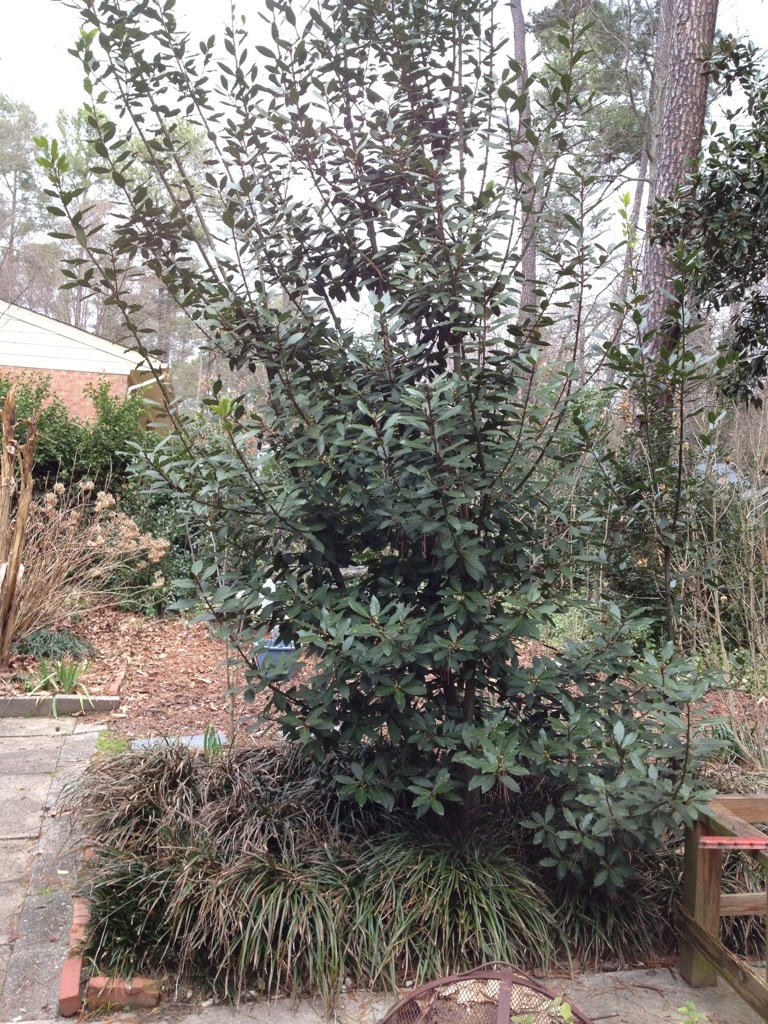
This is the largest bay in my garden which is on the north side of the patio. It is about 10 feet tall and 7 feet wide. It was a cutting from a tree in Morehead City.

20130303-095740.jpg

It produces small white flowers every Fall but they appear not to open and I have never seen any type of seed form. The laurel is dioecious which means male and female flower are on separate plants.

20130303-100217.jpg

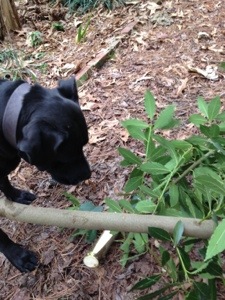
The leaves and stems are very fragrant. Even Gus cannot ignore the fragrance. Of course, he has to taste everything. I have to be careful he doesn’t try to swallow the wood as the splinters can become lodged in the throat or stomach.

20130303-100501.jpg20130303-100518.jpg

I begin by cutting the limbs off the main trunk.

20130303-100720.jpg20130303-100754.jpg

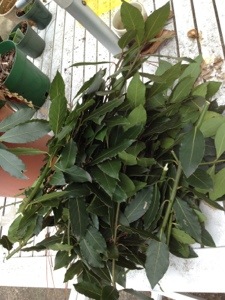
Then I cut those into shorter cuttings. The lower leaves are removed and saved for the kitchen.

20130303-100903.jpg

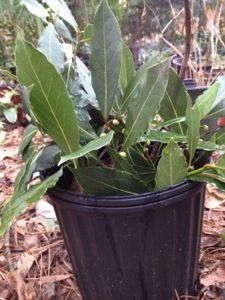
Since there is such a high number of failures with the slow rooting plants I plant the pots heavily. The pots are kept moist during dry weather and placed in a partly shady location. I usually leave them in the pots for two seasons before trying to potting them up individually.

20130303-101004.jpg20130303-100937.jpg

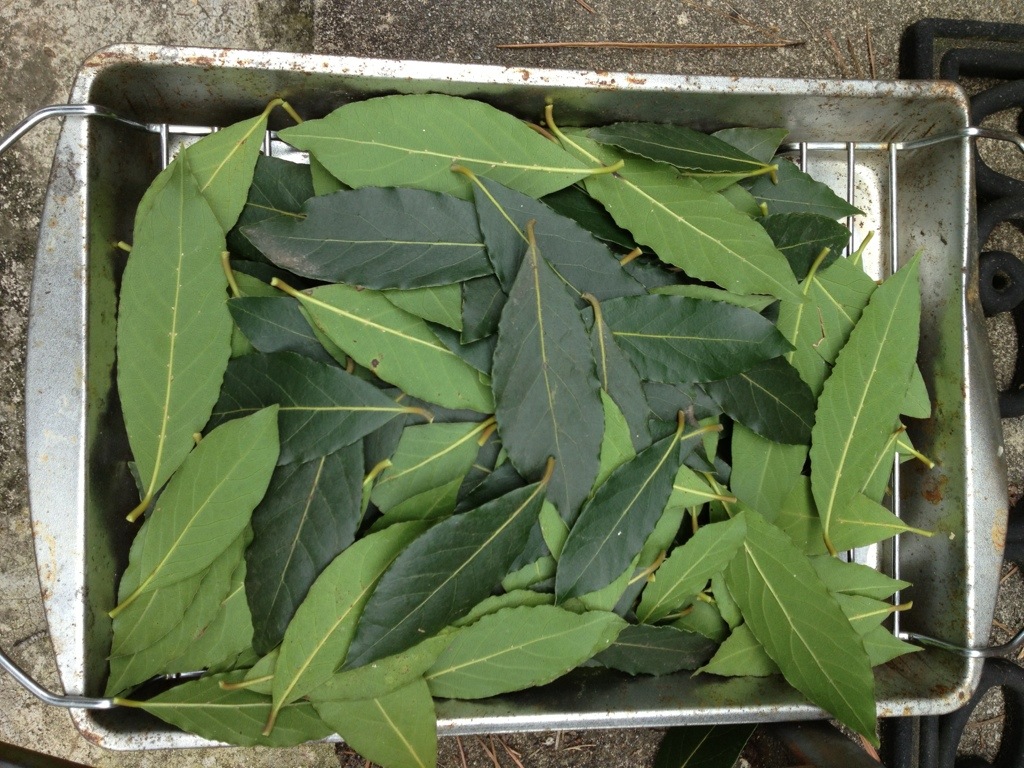
The leaves are dried by spreading them out in pans or baking sheets for a few weeks. Once they are dried you may store them in air tight containers or in paper bags.

They are also used to make wreaths and other seasonal decorations. You can keep bunches of then in closets for the fragrance. They will also stay attached to the stems and can be used for decoration in vases and arrangements.

20130303-101018.jpg

17 Comments

Filed under cooking, Plants, Seasonal Maintenance

Why do leaves of most plants curl when it’s cold?

Last night was the coldest night so far this winter. It was 24f this morning. When the temperatures are this low many plants have the unusual response of curling their leaves.

This is known as a thermotropic response. There are many theories to why some plants do this: 1) Photo inhibition to reduce winter damage from radiation, 2) heat balance theory to maintain temperature, 3) freezing damage theory to prevent damage from rapid thawing after freezing, 4) mechanical theory to prevent damage to the leaf, and 5) desiccation theory to prevent the leaf from drying out are all theories as to why leaves curl in cold weather.

So many theories!

Some plants in my garden which commonly do this are:

Acuba

20130123-085413.jpg

Vinca major

20130123-085438.jpg

Wintercreeper

20130123-085614.jpg

The chain link fence which runs around the entire half-acre was planted by the previous owner with wintercreeper and is now covered and trimmed to resemble a hedge. The previous owner, who lived in the house for thirty years, did this many years ago and I thank her.

Leave a comment

Filed under biology, Plants, Seasonal Maintenance